
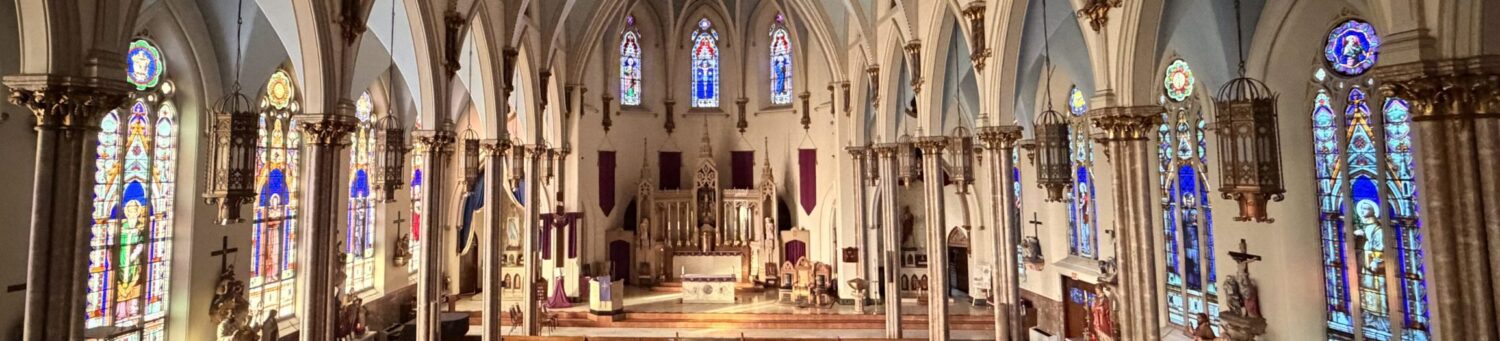
The Light of Christ in the Word of God

This Sunday has been designated Word of God Sunday. The Church wishes to point out to us the importance of the Word of God in the Liturgy. There are four readings every Sunday and holy days: the first reading, usually taken from the Hebrew Scriptures, the responsorial psalm, the second reading, and the Gospel. It is only during Easter that the first reading is also taken from the New Testament. We believe that Christ, the Word of God, is truly present in the reading of the sacred text as well as in the sacraments. Today we are asked to reflect on the presence of Christ in the Word, and even in the homily given.
The Word Proclaimed in Scripture
To illustrate the importance of God’s Word in sacred text, let us look at the text proclaimed today. The first reading is taken from the Book of Isaiah. The reading speaks to us of the land of Zebulun and Naphtali. This is a region in the north of Israel. It was a place that was largely populated by non-Jews. It was also a land that was regarded as a place of darkness regarding spirituality and religious observance. Yet the reading tells us that the people who live in this region have seen a great light.
In the Gospel, the same region is mentioned. Yet the light that the people see is none other than Jesus. What is the Liturgy of the Word telling us? There are people who live with a great deal of darkness and sadness. There are people whose lives are dark, who are lonely, who feel abandoned. There are people whose lives have been difficult and who are about ready to give up. Yet a great light has come. The light for them is Jesus, who can change their lives. Do you know people whose lives were changed by coming to know Jesus?
The Word That Changes Us
Once we hear the Word, know it, and allow it to touch our hearts, then we too, can be changed for the better.
Msgr. Guy A. Massie
January 25, 2026
Sunday Readings